45 understanding nutrition facts on food labels
Understanding Food Labels | The Nutrition Source | Harvard ... The Nutrition Facts Label The Nutrition Facts label is overseen by the U.S. Food and Drug Administration (FDA) and was first mandated under the Nutrition Labeling and Education Act of 1990 to help consumers make quick, informed food choices. It has undergone revisions, with the latest update released in 2016. Understanding Ingredients on Food Labels | American Heart ... Mar 06, 2017 · Food labels are an important source of information about calories and the nutritional value of the foods you eat, a crucial tool in building a heart-healthy diet. Food labels are an important source of information about calories and the nutritional value of the.
How to Read Nutrition Facts Label | Food Network Healthy ... This carries over to all the other nutrients on the label. If 1 serving of a food has 120 mg of sodium, it can technically be labeled as a "low sodium" food. However, if you eat 3 servings, triple...

Understanding nutrition facts on food labels
How to Understand and Use the Nutrition Facts Label | FDA Dietary fiber, vitamin D, calcium, iron ad potassium are nutrients on the label that Americans generally do not get the recommended amount of. They are identified as nutrients to get more of.... Food Labels 101: Understanding the Nutrition Facts Label ... A sodium level of 140 mg or less on the nutrition facts label is considered low sodium. This is an essential number to look for when reading the label. Total Carbohydrates - Fiber and Sugar Foods high in fiber can be beneficial to a healthy diet, as fiber helps manage blood sugar levels and can lower cholesterol. Understanding Nutrition Facts Food Labels - VEBA Resource ... All of the nutrition information on a food label is based on that serving size. So you'll need to adjust the other numbers if you eat more or less. Total carbohydrate. The grams of sugar listed are included in the "Total Carbohydrate." Saturated fat and trans fat. The lower the number of grams you eat, the better. Protein.
Understanding nutrition facts on food labels. Understanding and Navigating Food Label Regulations Food Modernization Act. The government understands the importance of food label regulations and has focused their attention on ensuring standardization is up to date with the ever-changing market. In January 2020, the FDA enacted new standards for the nutrition facts label regarding serving size, calorie count, font size, and added sugar content. Nutrition facts | Costco Nutrition facts essentials. Empowering yourself with nutrition know-how is easier when you have the facts in front of you. Before you start calculating, you should understand how to assess nutrition facts: Serving size is an ideal place to start. Keep in mind that suggested serving sizes can be smaller than you think. PDF How Do I Understand the "Nutrition Facts" Label? a day, this is 120 calories or less, or about 13 grams of saturated fat. Most foods in the grocery store have a Nutrition Facts label and ingredient list. When you go grocery shopping, take time to read the Nutrition Facts labels on the foods you purchase. Compare the nutrients and calories in one food to those in another. The Understanding Ingredients on Food Labels - Professional ... The Nutrition Facts information is always displayed in the same orderly fashion and helps you understand how much of certain nutrients that you need to limit are contained in the product per serving. What isn't always so clear is the ingredients listed on foods or drinks. What do all those huge words mean?
How To Read Food and Beverage Labels | National Institute ... The U.S. Food and Drug Administration (FDA) requires a Nutrition Facts label on most packaged foods and beverages. At the top of the Nutrition Facts label, you will find the total number of servings in the container and the food or beverage's serving size. Understanding Food Labels - Nutrition: Science and ... The FDA uses the following definitions for interpreting the %DV on food labels:4 5%DV or less means the food is low in a nutrient. 10% to 19%DV means the food is a "good source" of a nutrient. 20%DV or greater means the food is high in a nutrient. | Understanding a nutritional facts label for new product ... The nutritional information label also provides a column of values called per cent % Daily Value (% DV). It denotes how much of a nutrient is present in one serving of food which needs to be consumed one day. This value is based on an average daily diet of 2000 calories. How to Read Nutrition Facts Labels the Right Way - GoodRx Nutrition Facts labels are required to list the total fat, saturated fat, and trans fats on packaged food products. It's important to choose foods with the right kinds of fats. Here are the differences between the fats you'll see on the label. Bad fats Saturated and trans fats are the less healthy types of fats.
The Basics of the Nutrition Facts Label You know about calories, but it also is important to know about the additional nutrients on the Nutrition Facts label. Protein: A percentage Daily Value for protein is not required on the label. Eat moderate portions of lean meat, poultry, fish, eggs, low-fat milk, yogurt and cheese, plus beans and peas, nuts, seeds and soy products. Food labels 101: Understanding the nutrition facts panel ... Food labels 101: Understanding the nutrition facts panel. Christy Rivette, Michigan State University Extension - April 28, 2013. Use some simple guidelines and strategies for reading the information on the nutrition facts panel to make wise food choices. Most people do not want to spend more time in the grocery store than is necessary. Nutrition Facts Label Guide | NHLBI, NIH This item is only available online for download and self-printing. Got it. Food labels can help you make healthier choices. Here's information on how read labels on food packaging to help you make quick, informed decisions about the what foods to choose. Keywords: DASH, High Blood Pressure, Heart-Healthy Living. Understanding Nutrition Facts on Food Labels - WebMD The label tells you it has no fiber or any of the key nutrients: vitamins A or C, iron and calcium. You'll notice different units of measurement on food labels. Many of the nutrients are measured...
Food-Labeling Voodoo: Serving Size Manipulation
Get the Facts! Steps to Reading and Understanding ... Food labels list percentages of the recommended daily intakes of several nutrients. The numbers are based on a 2,000-calorie diet and are used for adults who are 18 years or older. If you consume more or less than 2,000 calories per day, you still can use % Daily Values as a reference.
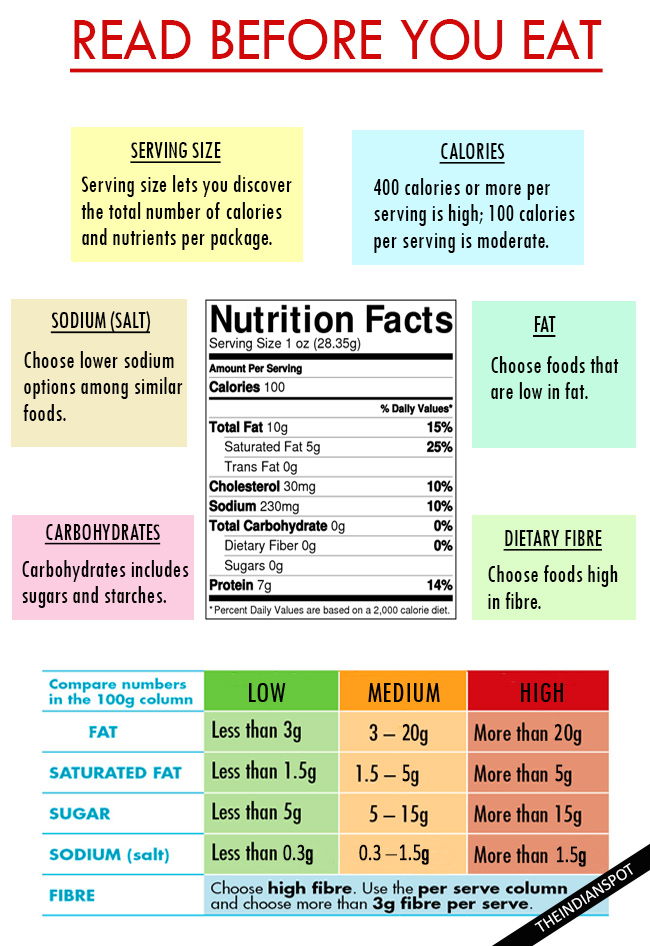
UNDERSTANDING FOOD LABELS - MAKE THE BEST FOOD DECISIONS
PDF Understanding the Nutrition Facts Label information, and potential allergens. If you take the time to understand and compare these food labels, healthier choices can be made. Food labels give you clues as to what you are eating, and being able to decipher those clues is what will help you succeed in making healthier choices. The nutrition facts label has three main parts: 1.

Food Nutrition Facts Label, Food Label Nutritional Analysis
The Five Food Groups and Nutrition Facts - Harvard University Reading Food Labels The Nutrition Facts food label is printed on nearly all packaged foods. Reading these labels is an effective way to compare the saturated fat, trans fat, fiber, and other nutrient contents of various foods. The food label uses a daily diet of 2,000 calories as a reference point for the number of calories a person needs each day.

Food Labels 101: Understanding the Nutrition Facts Label – Penn Medicine
Food labeling 101: Understanding the Nutrition Facts Label ... Ingredients are listed in order of amount by weight, starting with the largest amounts. This can be the most important information if there are ingredients you're avoiding for one reason or...
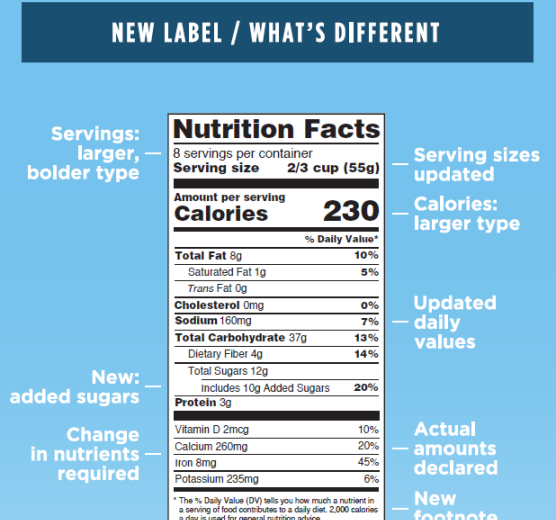
Food Labels Will Take a Step in the Right Direction | Central Illinois Natural Health Clinic
Understanding Nutrition Labels - LabelCalc Still, the nutrition facts panel is often what first-time food manufacturers fear most, in large part because the number of elements that make up a nutrition label seems overwhelming. However, the fear usually goes away when they begin to understand what all the various terms mean.

How to Read and Interpret Nutrition Labels | CalorieBee
Understanding Food Nutrition Labels | American Heart ... Learn what to look for on the label. 1 - Start with the serving information at the top. This will tell you the size of a single serving and the total number of servings per container (package). 2 - Next, check total calories per serving and container.

Managing Caloric Intake With Food | Nutrition Facts : The Truth Facts About Food, Fruit, Vegetable
How To Read Food Labels: Understanding the Basics - Instacart The nutrition facts table is usually found on the rear or the side of the label. This is perhaps the most useful part of a food label, providing a detailed breakdown of the product's nutritional content, including calories, protein, carbohydrates, fat, and more. 1. Beware of misleading claims

UNDERSTANDING FOOD LABELS - MAKE THE BEST FOOD DECISIONS | Nutrition labels, Reading food labels ...
Calories - Canada.ca The calories in the Nutrition Facts table are based on an amount of food. If you eat more than the amount of food, your calorie intake will be higher than the value listed. If you eat less than the amount of food, your calorie intake will be lower than the value listed.

Cereal Nutritional Facts Label Stock Photo - Download Image Now - iStock
Understanding Food Nutrition Labels | American Heart ... When the Nutrition Facts label says a food contains "0 g" of trans fat, but includes "partially hydrogenated oil" in the ingredient list, it means the food contains some trans fat, but less than 0.5 grams per serving. So, if you eat more than one serving, you could end up eating too much trans fat.
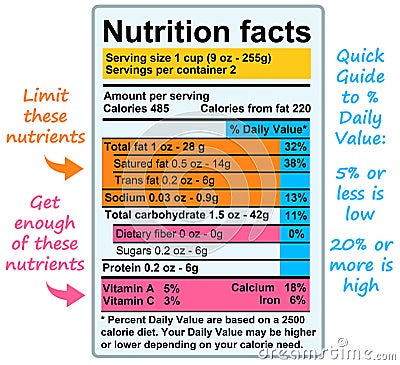
Nutrition Facts Royalty Free Stock Photo - Image: 28179765
Food Labels | CDC If you eat the whole thing, you are eating 8 times the amount of calories, carbs, fat, etc., shown on the label. Total Carbohydrate shows you types of carbs in the food, including sugar and fiber. Choose foods with more fiber, vitamins, and minerals. Choose foods with lower calories, saturated fat, sodium, and added sugars. Avoid trans fat.

Understanding Food Labels | Personal Health and Wellness – Community College of Baltimore County
Food label: ingredient list - Canada.ca This means that a food contains more of the ingredients found at the beginning of the list, and less of the ingredients at the end of the list. Example: The ingredient list below is for bran cereal. The ingredient that is present in the largest amount is whole wheat , and the ingredient present in the smallest amount is minerals .
Post a Comment for "45 understanding nutrition facts on food labels"