40 can you trust nutrition labels
Can I trust food labels? - Fit People These labels include relevant data, such as the amount of fats, sugars, sodium, carbohydrates, and fiber that the food in question may contain. They also inform us about ingredients that can generate different types of allergies (such as dairy or gluten) and the calories that are provided by each portion. Which Organic Label Should You Trust? | Nutrition The NOP labeling standards are as follows. Products labeled "100 percent organic" must contain only organically produced materials. Products labeled simply "organic" must contain at least 95 percent organic ingredients. The label "made with organic ingredients" can contain anywhere between 70 to 95 percent organic ingredients.
Do you trust the food labels in your local grocery stores? Opinion. Do you trust the food labels in your local grocery stores? Products that use forced Uyghur labour are on grocery stores shelves in Canada. Haya Abu Ghosh November 8, 2021. December 10, 2021. A recent investigation by CBC's Marketplace, Investigative Reporting Project Italy, and The Guardian, found that many popular tomato products ...

Can you trust nutrition labels
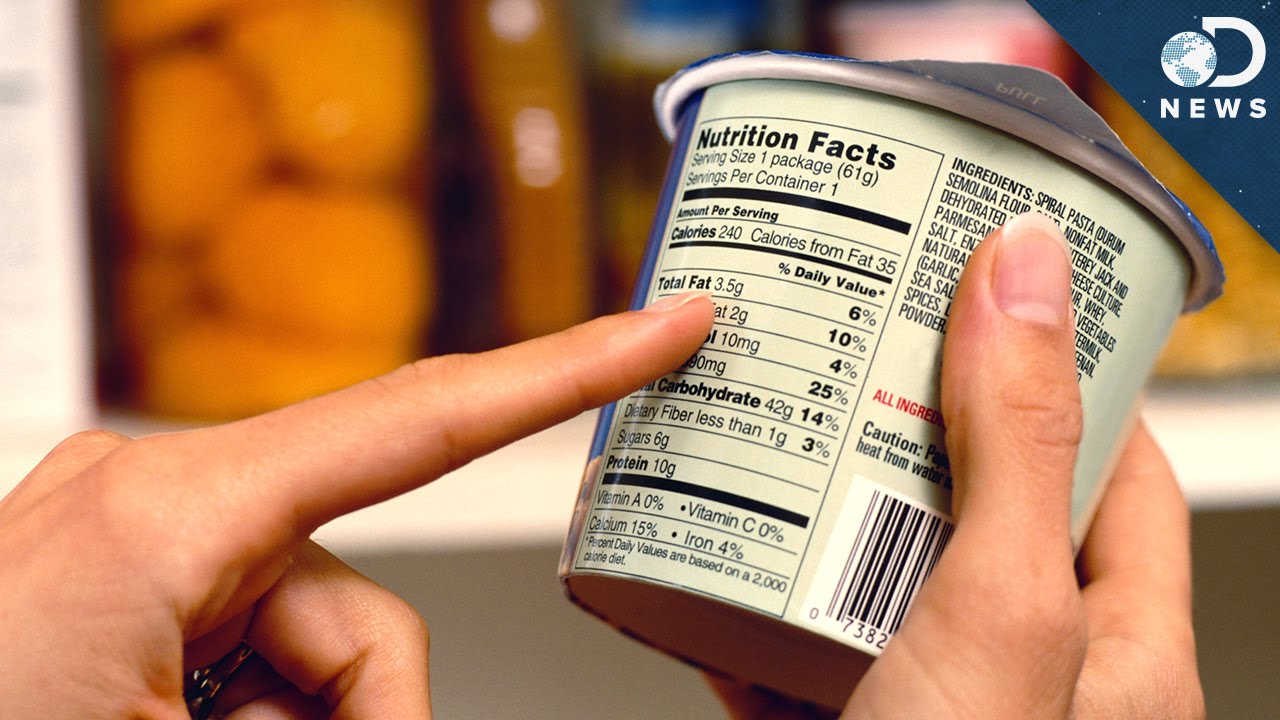
How To Read Nutrition Labels (Like a Pro) - Ditch The Carbs Firstly you need to understand the difference between total and net carbs. TOTAL CARBS = sugars + starches +fibre NET CARBS = total carbs - fibre Carbohydrates will be on the nutrition label are often broken down into carbohydrates, sugars, starch, and fiber. However, each brand may display its nutritional contents differently. Can you trust labels that say "gluten free"? As of August 5, 2014, all products with a gluten free label need to meet the FDA's new standards. Before the FDA issued this rule that defined what characteristics a gluten free-labeled food needed to have, consumers could never completely trust it was gluten free. The FDA's new standard is a progressive step and good news for individuals ... Nutrition Labels, Explained | Can You Trust Them? Law Creates Label This law created the nutrition label as we now know it, requiring the following nutrients to be included: calories, calories from fat, total fat, saturated fat, cholesterol, sodium, total carbohydrate, dietary fiber, sugars, protein, vitamins A and C, calcium, and iron. Additional nutrients, like trans fat, were added later.
Can you trust nutrition labels. Can You Trust the Labels on Your Supplements? - WebMD The Council for Responsible Nutrition is the leading U.S. trade group for dietary supplements. A spokesman noted that Navarro's study has not yet gone through the rigorous peer review required for ... Calorie labels are often wildly inaccurate. Here's how ... - Insider Why You Can't Always Trust Food Labels - Joy Bauer Why You Can't Always Trust Food Labels Most people are now aware of the health risks associated with consuming trans fats. If a product's label indicates it has "0 grams trans fats," you should be in the clear, right? Wrong. Unfortunately, just because the label reads zero doesn't necessarily mean the the food is free of trans fats. Food Label Claims: What You Can and Can't Trust - WebMD The best way to make good nutritional choices is to know what the information means and what claims you can trust. Nutrition Label Make a habit to read the box on the back of the package. You can...
How Much Can You Trust That Food Label? - Wise Bread So, should you trust the label? Perhaps the best answer is sometimes. Certainly not always. The only way of knowing which claims are well-regulated and enforced from those that are little more than... Can You Trust The 'Natural' Label? | Civil Eats On September 19, San Francisco residents can join Consumer Reports' "American's Most Wanted Labels" conference to find out which labels you can or can't trust, and learn about efforts to bring credibility to food labels for animal welfare, fair trade, and sustainability. Tell us about your work on food labels at Consumer Reports. Health Claims on Labels: Can They Be Trusted? - Best Food Facts Health claims on food labels are regulated by the federal government. The claims must be verified by scientific data. The statements are optional, so food may have health benefits even if it doesn't carry a specific label. Label claims are a good starting point to learn about the nutrition of food. About The Experts Marie-Eve Labonte Nutrition Food Labels: 10 You Can't Trust (Plus, 7 Trusty, Credible Ones) - Dr. Axe Thankfully, we have a new tool that helps us more deeply explore how much we can trust specific food labels commonly found on supermarket meat, dairy and egg products. EWG points out that the most reliable certifications follow these practices: No antibiotics given to healthy animals No synthetic growth hormones
Can You Trust That Label -- Or Does It Hide a Food Scam?.html How wine and food scam artists fool consumers and investors with phony labels and misleading information: Internet Scambusters #396. A wine or food scam works by providing false or misleading information, usually on the label of a product. Sometimes it's perfectly legal and preys on our lack of understanding about how the contents are made or ... Can You Trust the Nutrition Facts? | Nutrition Over Easy Nutrition Facts: (serving size: 1 cookie) Calories: 120 Total Fat: 6g Total carbohydrate: 27g (<1g fiber, 6g sugar) Protein 2g Calories calculated: 166. They state it is 120. That's a 46-calorie difference. 46 calories = 38% more calories than claimed. This is a violation of the law which only permits up to 20%. Can you trust the accuracy of food labels? - Chatelaine In the end, they found that many popular name brands — including organic brands — provided incorrect and even "wildly" inaccurate nutritional information. Heinz, Frito-Lay, Amy's Kitchen, Eden... Can You Trust Food Labels? | Video | NJ Spotlight News Consumers often have to trust labels to determine if the food they're buying is organic, natural or kosher. By Candace Kelley Correspondent. ... And if the product is touted as "certified," you can ask to see a copy of the organic certification paperwork. Vendors are supposed to have it on hand.
UNDERSTANDING NUTRITION LABELS - WHAT TO AVOID - YouTube
In Labels We Trust: How Food Certification Labels Can Help Consumers ... Fair Trade Labels: Sustainability Can't Exist Unless Workers Are Protected "There's a lot of money in food," says Elizabeth Henderson, a member of the Northeast Organic Farming Association (NOFA) and co-founder of the Agricultural Justice Project (AJP). "It's just not shared equally or fairly with the people who do the work."

Home | Mysportscience a trusted source of information
Can you trust food labels? - Telegraph By Telegraph Food 30 December 2015 • 11:00am. Can you trust food labelling? Credit: Alamy. Think carefully before you pour that second glass of wine tonight - because it might contain more ...

Dempsey's Resolution Fitness: Induction into the DET Honor Society
Can You Trust Organic and Other Food Labels? - Lacto Bacto But actually the organic label on American grown foods is one that people can trust, and it means that a government agency (the US Department of Agriculture) has certified that the food was grown organically. Yes, there are standards for organic food. The worst label on a food is " natura l' - it is totally meaningless.

How To Read Nutrition Labels Like a Pro — Ditch The Carbs in 2021 | Nutrition labels, Nutrition ...
Do You Find Nutrition Labels Confusing? You're Not Alone, a Recent ... 50 Affordable Wines You Can Always Trust ... Spoon Guru found out that 39 percent of respondents would like to see better food labels on packaging, and 37 percent would like to see better food ...

30 best Food Marketing in Schools images on Pinterest
Can You Trust The Calorie Counts On Food Labels? - YouTube Can you trust a nutrition label? How accurate are they, and how do you measure calories? RSVP to our Hangout this Thursday here: Mo...

Egg Nutrition, Shopping, and Cooking Tips | Grass Fed Girl
What Should I Look for When I Read Nutrition Labels? Here's your quick list to determine if the label you're reading passes the PLANTSTRONG sniff test. 1) Sodium: Your recommended total daily intake should be around 1500-2000mg daily so when reading a label, you want the number of calories per serving to be equal to or lesser than the number of milligrams of sodium per serving.

Understanding Nutrition Labels | BestFoodFacts.org
Questions and Answers on Health Claims in Food Labeling | FDA Back to Qualified Health Claims Main Page. Health claims in food labeling are claims that have been reviewed by FDA and are allowed on food products to show that a food or food component may ...

Understanding nutrition labels - YouTube
Food labels part 2: Truth, accuracy, usefulness of label claims. Manufacturers depend on consumers being rushed, busy, inattentive, and impulsive. Part 2 of our food labels series examines the truthfulness, accuracy, and usefulness of label claims, and shares the most important information for you to know about a given product.

Little White Lies: Can You Always Trust Your Food Labels? | Zerxza
Which Sustainable Food Certifications Can You Trust - Fork in the Road Yes, if you are concerned with eating organic foods then the USDA Organic label is a trustworthy source. However, if you have strong feelings about biodiversity and ecosystem preservation, the USDA label may not be enough. Demeter Biodynamic
Can You Trust The Calorie Counts On Food Labels? - YouTube
Can You Trust That Organic Label On Imported Food? - NPR In 2013, 19 farmers or food companies were fined a total of $87,000 for misusing the organic label. Maybe you've wondered, while looking at the price tag on some organic produce, whether that ...

Why You Should Only Eat Pastured Eggs + Unraveling the Real Meanings Behind Egg Carton Labels ...
Nutrition Labels, Explained | Can You Trust Them? Law Creates Label This law created the nutrition label as we now know it, requiring the following nutrients to be included: calories, calories from fat, total fat, saturated fat, cholesterol, sodium, total carbohydrate, dietary fiber, sugars, protein, vitamins A and C, calcium, and iron. Additional nutrients, like trans fat, were added later.

7 Phrases On Food Labels You Should Look Out For, Because Packaging Can Be Misleading
Can you trust labels that say "gluten free"? As of August 5, 2014, all products with a gluten free label need to meet the FDA's new standards. Before the FDA issued this rule that defined what characteristics a gluten free-labeled food needed to have, consumers could never completely trust it was gluten free. The FDA's new standard is a progressive step and good news for individuals ...

What You Need to Know About the Latest Nutrition Label | Nutrition | MyFitnessPal
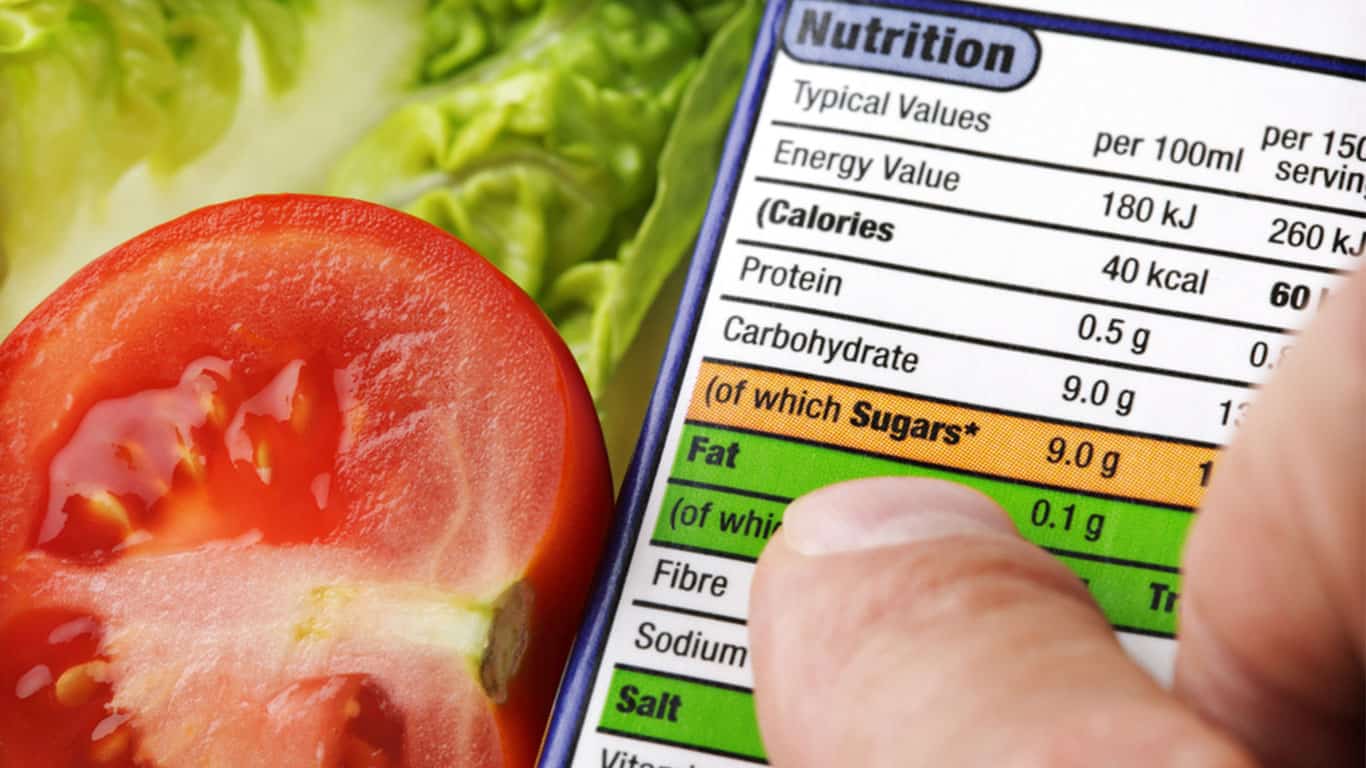
How To Read Nutrition Labels (Like a Pro) - Ditch The Carbs Firstly you need to understand the difference between total and net carbs. TOTAL CARBS = sugars + starches +fibre NET CARBS = total carbs - fibre Carbohydrates will be on the nutrition label are often broken down into carbohydrates, sugars, starch, and fiber. However, each brand may display its nutritional contents differently.

How to Grocery Shop Like a Nutrition Coach — Lea Genders Fitness
Nutrition labels: how to meet consumer requirements - SpecPage
Post a Comment for "40 can you trust nutrition labels"